Order Now Here: https://www.tramadolorder.online/product/tramadol-100mg/
Pain can significantly affect daily activities, mobility, sleep quality, and overall well-being. OL-TRAM 100mg Tablets are associated with tramadol hydrochloride, a centrally acting opioid analgesic used to manage certain types of pain when alternative treatments may not provide adequate relief. Like other opioid medications, tramadol should be used only under the supervision of a qualified healthcare professional because it carries important risks and safety considerations.
Understanding how tramadol works, its potential benefits, and the precautions associated with its use can help patients make informed decisions about their treatment.
Unlike some traditional opioid medications, tramadol has a dual mechanism of action that contributes to its pain-relieving effects.
Together, these actions contribute to the medication's analgesic effects and help reduce pain intensity in appropriately selected patients.
Only a qualified healthcare professional can determine whether tramadol is appropriate for a particular patient.
In some cases, healthcare providers may also use tramadol as part of a comprehensive treatment plan for chronic pain when the potential benefits outweigh the risks.
The dual mechanism of action of tramadol distinguishes it from some other analgesic medications and contributes to its therapeutic effects.
The effectiveness of treatment depends on several factors, including dosage, underlying medical conditions, and individual patient characteristics. Regular follow-up with a healthcare provider may help ensure that treatment remains safe and effective.
Patients should not change their dose, take extra medication, or stop treatment without consulting their healthcare provider. Using the medication exactly as directed can help reduce the risk of complications.
Alcohol and other central nervous system depressants may increase sedation and other adverse effects when used with tramadol.
Individuals with liver disease, kidney disease, or other significant medical conditions should discuss these issues with their healthcare provider before starting treatment. Patients should also provide a complete list of medications, vitamins, and supplements they are taking to help identify possible interactions.
However, tramadol also carries important risks, including side effects, drug interactions, dependence, and respiratory depression. Patients should use the medication only as directed by a healthcare professional and remain aware of the precautions and warning signs associated with treatment. Understanding both the benefits and risks of tramadol is an important part of safe and informed pain management.
Pain can significantly affect daily activities, mobility, sleep quality, and overall well-being. OL-TRAM 100mg Tablets are associated with tramadol hydrochloride, a centrally acting opioid analgesic used to manage certain types of pain when alternative treatments may not provide adequate relief. Like other opioid medications, tramadol should be used only under the supervision of a qualified healthcare professional because it carries important risks and safety considerations.
Understanding how tramadol works, its potential benefits, and the precautions associated with its use can help patients make informed decisions about their treatment.
What Are OL-TRAM 100mg Tablets?
Understanding OL-TRAM 100mg and Its Active Ingredient
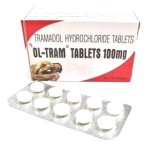
OL-TRAM 100mg Tablets are associated with tramadol hydrochloride, a synthetic opioid analgesic used for pain management. Tramadol is prescribed for adults when pain is severe enough to require opioid treatment and when alternative treatment options are inadequate or unsuitable.Unlike some traditional opioid medications, tramadol has a dual mechanism of action that contributes to its pain-relieving effects.
How OL-TRAM 100mg Works in the Body
Tramadol helps reduce pain through two primary mechanisms. First, it binds to mu-opioid receptors in the central nervous system, helping to alter the perception of pain. Second, it inhibits the reuptake of norepinephrine and serotonin, neurotransmitters involved in the body's natural pain-control pathways.Together, these actions contribute to the medication's analgesic effects and help reduce pain intensity in appropriately selected patients.
Who May Be Prescribed OL-TRAM 100mg?
Healthcare providers may prescribe tramadol-based medications for adults experiencing moderate to moderately severe pain when opioid treatment is considered appropriate. Treatment decisions are individualized and take into account factors such as pain severity, medical history, concurrent medications, and overall health status.Only a qualified healthcare professional can determine whether tramadol is appropriate for a particular patient.
Medical Uses and Potential Benefits of OL-TRAM 100mg
Conditions Commonly Treated with OL-TRAM 100mg
Tramadol is commonly used in the management of moderate to moderately severe pain. Depending on the clinical situation, it may be prescribed for certain acute pain conditions, including pain associated with injuries or medical procedures.In some cases, healthcare providers may also use tramadol as part of a comprehensive treatment plan for chronic pain when the potential benefits outweigh the risks.
Benefits of OL-TRAM 100mg for Patients
When prescribed and used appropriately, tramadol may help reduce pain intensity and improve comfort. Effective pain management can support mobility, daily functioning, and participation in routine activities.The dual mechanism of action of tramadol distinguishes it from some other analgesic medications and contributes to its therapeutic effects.
What Patients May Expect During Treatment
Patients may begin to experience pain relief within approximately one hour after taking tramadol, although individual responses can vary. Peak effects commonly occur within two to three hours following administration.The effectiveness of treatment depends on several factors, including dosage, underlying medical conditions, and individual patient characteristics. Regular follow-up with a healthcare provider may help ensure that treatment remains safe and effective.
Safety Information and Precautions Before Using OL-TRAM 100mg
Dosage Guidelines and Proper Administration
Tramadol should be taken exactly as prescribed by a healthcare professional. Dosage recommendations are individualized based on the patient's condition, treatment goals, and response to therapy.Patients should not change their dose, take extra medication, or stop treatment without consulting their healthcare provider. Using the medication exactly as directed can help reduce the risk of complications.
Possible Side Effects, Warnings, and Drug Interactions
Like many medications, tramadol may cause side effects. Commonly reported side effects include:- Dizziness
- Drowsiness
- Nausea
- Constipation
- Sweating
- Itching
Alcohol and other central nervous system depressants may increase sedation and other adverse effects when used with tramadol.
Important Safety Information Before Using OL-TRAM 100mg
Tramadol carries important safety warnings, including the risks of addiction, abuse, misuse, and potentially life-threatening respiratory depression. Patients with seizure disorders may face an increased risk of seizures while taking tramadol.Individuals with liver disease, kidney disease, or other significant medical conditions should discuss these issues with their healthcare provider before starting treatment. Patients should also provide a complete list of medications, vitamins, and supplements they are taking to help identify possible interactions.
When to Seek Medical Advice or Emergency Care
Immediate medical attention should be sought if any of the following occur:- Difficulty breathing
- Severe allergic reactions
- Seizures
- Extreme drowsiness or loss of consciousness
- Severe confusion or agitation
- Symptoms suggestive of serotonin syndrome, such as high fever, muscle rigidity, rapid heart rate, or altered mental status
- Suspected overdose
Conclusion
OL-TRAM 100mg Tablets are associated with tramadol hydrochloride, a centrally acting opioid analgesic used for the management of certain types of pain. Through its effects on opioid receptors and neurotransmitter pathways, tramadol can provide pain relief for appropriately selected patients.However, tramadol also carries important risks, including side effects, drug interactions, dependence, and respiratory depression. Patients should use the medication only as directed by a healthcare professional and remain aware of the precautions and warning signs associated with treatment. Understanding both the benefits and risks of tramadol is an important part of safe and informed pain management.